





Tesla Bets on Federal Support for Self-Driving Expansion
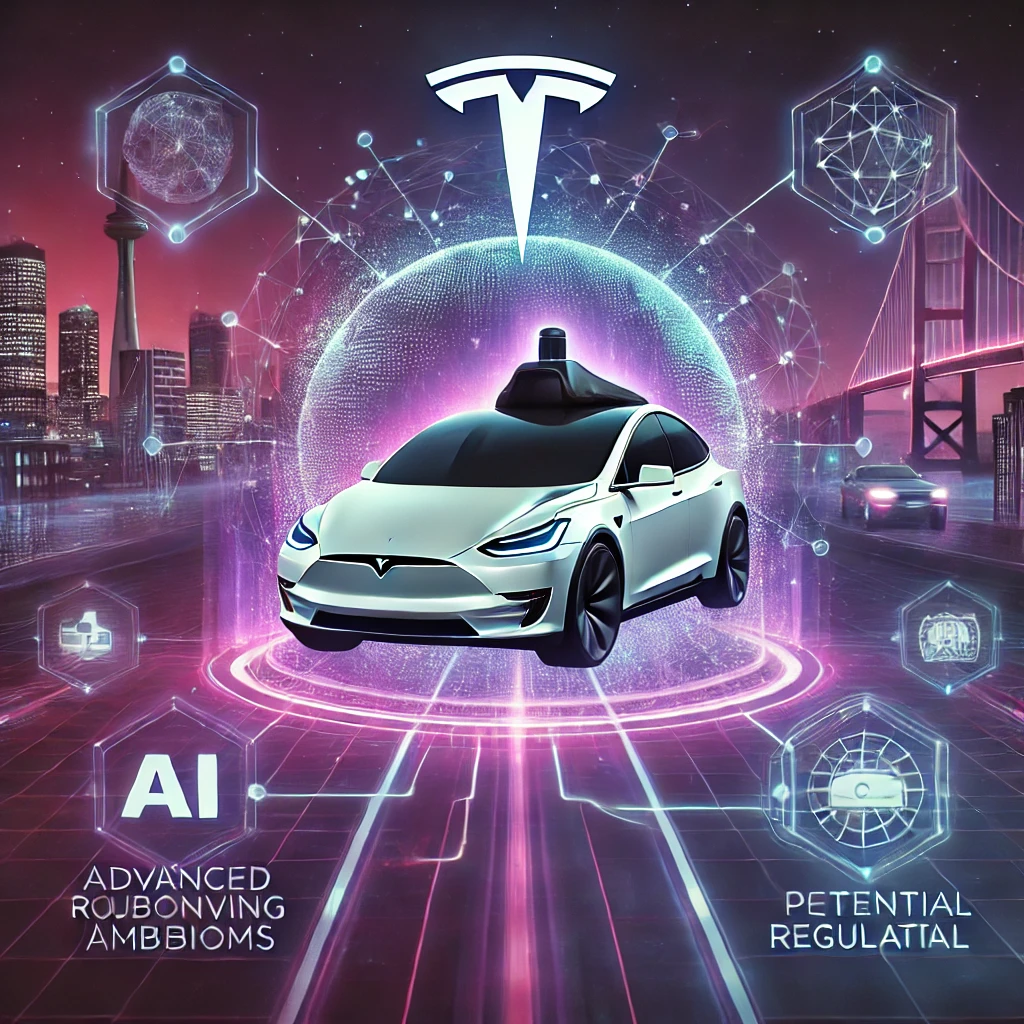
Tesla (TSLA) is poised to benefit from a potential regulatory shift under President-elect Donald Trump’s administration. The incoming government’s plans to appoint officials to oversee self-driving technology at the Department of Transportation and National Highway Traffic Safety Administration (NHTSA) could ease restrictions. These changes might accelerate Tesla’s Full Self-Driving (FSD) deployment and support the company’s robotaxi ambitions.
The Potential of Tesla’s Full Self-Driving Technology
Tesla’s FSD system, showcased during its October robotaxi event, demonstrated advancements in autonomous driving. Attendees experienced rides in vehicles without steering wheels or drivers in the front seat. However, FSD still requires human oversight on the road, underscoring the technology’s developmental stage. CEO Elon Musk has set an ambitious goal to launch robotaxis using Tesla’s Model 3 and Model Y by 2025 in California and Texas.
Regulatory Challenges and Opportunities for Tesla
Currently, self-driving regulations in the U.S. are fragmented, with rules varying by state. Federal intervention could simplify the process, allowing Tesla to scale its FSD technology nationwide. However, critics warn that rushing regulatory changes may compromise safety standards. Analysts suggest that regulatory consistency is crucial for Tesla to capitalize on its autonomous technology and boost revenue.
Financial Impact of Tesla’s FSD and Robotaxi Ambitions
Tesla’s FSD feature generates significant revenue, with the company charging $8,000 upfront or $99 per month for subscriptions. In Q3, FSD contributed $326 million to Tesla’s earnings. Analysts estimate that streamlined regulations could unlock further revenue opportunities, including a faster rollout of robotaxi services. These developments are expected to enhance Tesla’s leadership in autonomous technology and embodied AI.
Mixed Views on Tesla’s Self-Driving Future
Wall Street analysts remain divided on Tesla’s FSD prospects. Some predict that national standards could fast-track robotaxi deployment. However, concerns persist over technological hurdles, state-level regulation, and safety issues. Despite these challenges, Tesla’s recent stock surge reflects investor optimism about the potential impact of regulatory support and expanded autonomous offerings.
The Role of Federal Policy in Tesla’s Growth Strategy
Federal policies could play a decisive role in shaping Tesla’s self-driving future. Proposals to raise exemptions for vehicles without human controls and to harmonize state and federal rules would significantly benefit Tesla. Analysts believe that easing regulations could position Tesla to compete more effectively with rivals like Waymo and GM’s Cruise in the robotaxi space.
The Road Ahead for Tesla’s Autonomous Vehicles
Tesla’s ambitious timeline for FSD and robotaxi services hinges on overcoming regulatory, technological, and market challenges. As the new administration potentially aligns federal policies to support autonomous innovation, Tesla is well-positioned to leverage its expertise. However, realizing the full potential of self-driving technology will require continued investment in safety, engineering, and public trust.