






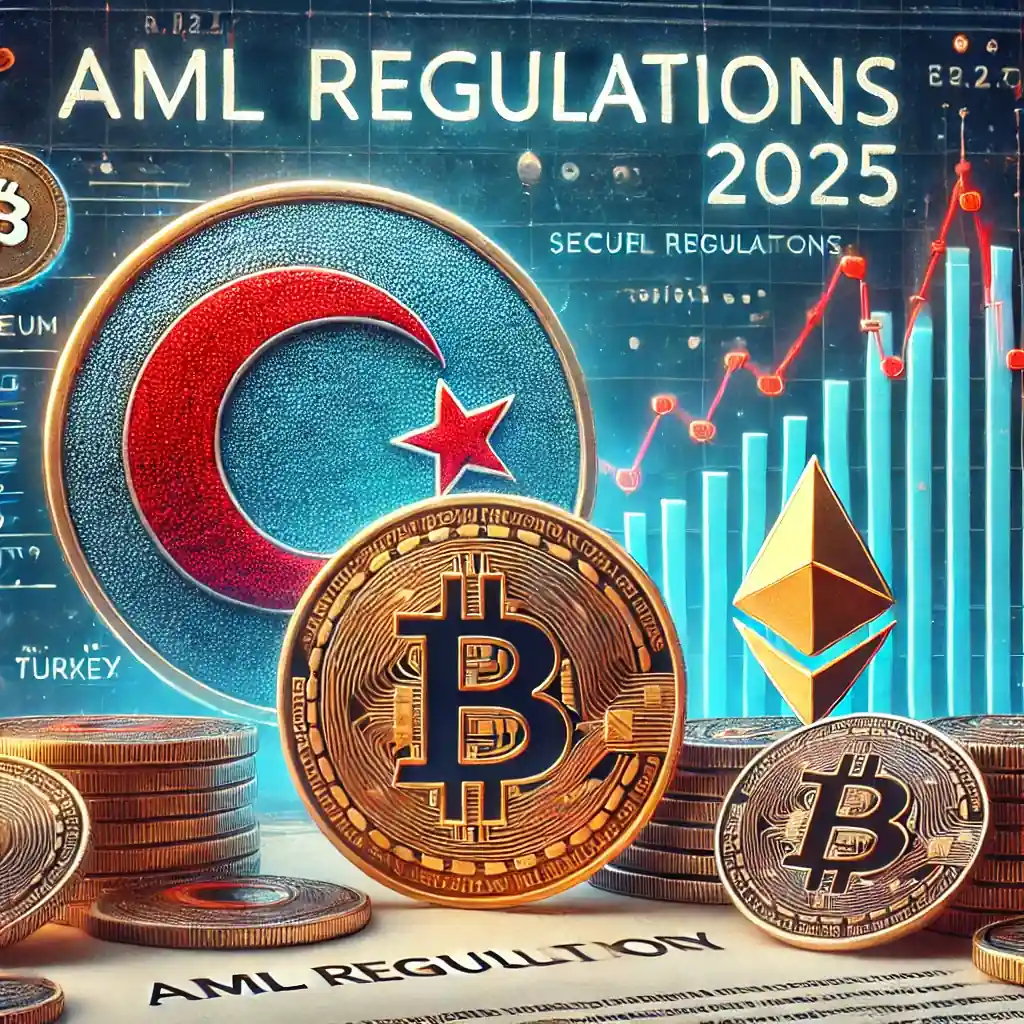

Stricter AML Rules for Crypto Transactions in Turkey
Turkey is set to introduce new anti-money laundering (AML) regulations for cryptocurrency transactions starting February 25, 2025. These measures aim to prevent the use of digital currencies for illicit activities, such as money laundering and terrorism financing.
Identifying Users for Transactions Over 15,000 Liras
Under the new regulations, crypto service providers must collect identifying information from users for transactions exceeding 15,000 Turkish liras (approximately $425). Smaller transactions below this threshold will not require such disclosures.
Service providers must also gather data on unregistered wallet addresses. If required information cannot be obtained, providers may flag transactions as “risky,” potentially halting them or terminating business relationships.
Growing Applications for Crypto Licenses
Since Turkey enacted the “Law on Amendments to the Capital Markets Law” in July 2024, the Turkish Capital Markets Board (CMB) has received 47 applications from crypto firms seeking licenses. This surge highlights the growing interest in Turkey’s dynamic market.
A Leading Crypto Market
Turkey ranks as the fourth-largest market globally, with a trading volume of approximately $170 billion as of September 2023. This places Turkey ahead of nations like Russia and Canada. However, while trading is allowed, using cryptocurrencies for payments has been restricted since 2021.
Potential Tax on Crypto Profits
The Turkish government is considering imposing a minimal transaction tax of 0.03% on crypto profits. Though not yet finalized, such a measure could bolster the national budget while regulating the fast-growing crypto sector.
Aligning With Global Trends
Turkey’s new framework mirrors global efforts to regulate the space. Europe’s Markets in Crypto-Assets (MiCA) bill, effective December 30, 2024, sets a precedent for comprehensive regulation. Turkey’s AML regulations align with this trend, ensuring compliance with international standards.
Implications for Crypto’s Users and Providers
For users, these changes highlight the importance of compliance and transparency. Providers will need robust systems to verify user information, identify risky transactions, and adapt to increased regulatory scrutiny.