






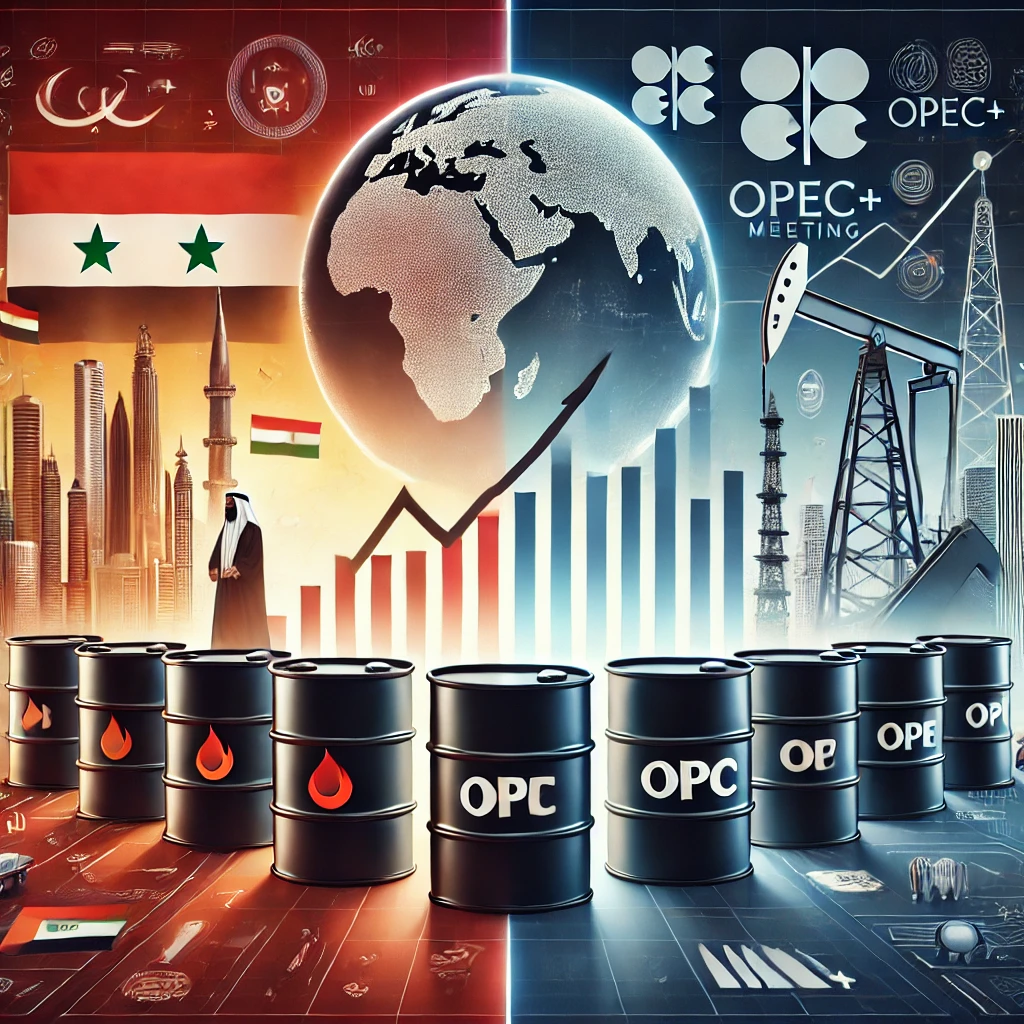

Oil Prices Dip Amid Middle East Cease-Fire Anticipation
Oil prices fell as reports suggested that Israel and Lebanon-based Hezbollah would agree to a cease-fire. The deal, announced after futures settled, is expected to ease tensions and reduce threats to crude oil flows from the Middle East. West Texas Intermediate settled below $69 per barrel, while Brent dropped beneath $73, reversing earlier gains driven by discussions among OPEC+ nations about delaying production increases.
Cease-Fire’s Impact on Supply Risks
Shortly after futures settled, President Joe Biden announced the cease-fire agreement following weeks of US-mediated talks. Israeli Prime Minister Benjamin Netanyahu confirmed the pact would be put to a vote in Israel’s security cabinet. Analysts believe this truce could lower supply risks in the region, potentially driving oil prices down by at least $3 per barrel, according to Robert Yawger, director of energy futures at Mizuho Securities USA.
Market Reactions to Cease-Fire and OPEC+ Plans
Algorithmic-driven investors, known as commodity trading advisers (CTAs), limited deeper declines in oil prices despite the cease-fire news. However, analysts note signs of buying exhaustion, which could quickly turn into selling pressure. Meanwhile, OPEC+ members are evaluating whether to delay a planned production increase of 180,000 barrels per day, with a final decision expected during their Dec. 1 meeting.
Geopolitical and Policy Catalysts for Oil Prices
Traders are also factoring in potential geopolitical risks and policy shifts that could impact oil markets. President-elect Donald Trump’s proposal for new tariffs on key trading partners, including crude imports from Canada and Mexico, has already triggered losses in Toronto oil equities. Additionally, concerns about Russian and Iranian supplies are expected to shape the market’s trajectory in the coming year.
OPEC+ Deliberations Add Uncertainty to Oil Markets
OPEC+ members face growing pressure to address market imbalances as they approach their December 1 meeting. The group had initially planned a production increase of 180,000 barrels per day in January but is now considering delaying these hikes due to oversupply concerns. With demand forecasts for 2024 still uncertain, any decision by OPEC+ could significantly sway oil prices. Analysts note that a delay in production increases may help stabilize prices in the short term, but the group’s ability to maintain cohesion amid differing member priorities will be critical.
Longer-Term Risks and Opportunities for Oil
Beyond the immediate impacts of geopolitical tensions and OPEC+ actions, the oil market is navigating longer-term challenges, including the global energy transition. Investments in renewable energy and the push for carbon neutrality continue to reshape demand for fossil fuels. However, oil remains a key component of global energy strategies, particularly in developing nations. Analysts suggest that while short-term volatility is expected, strategic investments in infrastructure and diversification by major producers could help mitigate risks and secure their position in the evolving energy landscape.