







Bitcoin Security Is a Growing Concern for Investors
Bitcoin continues to gain popularity, but concerns about its security are increasing. Zack Herbert, CEO of Foundation Devices, warns against relying on exchanges. He compares Bitcoin storage to keeping gold at home instead of storing it in a vault you don’t control.
No Safety Net Exists in Bitcoin Like in Traditional Banks
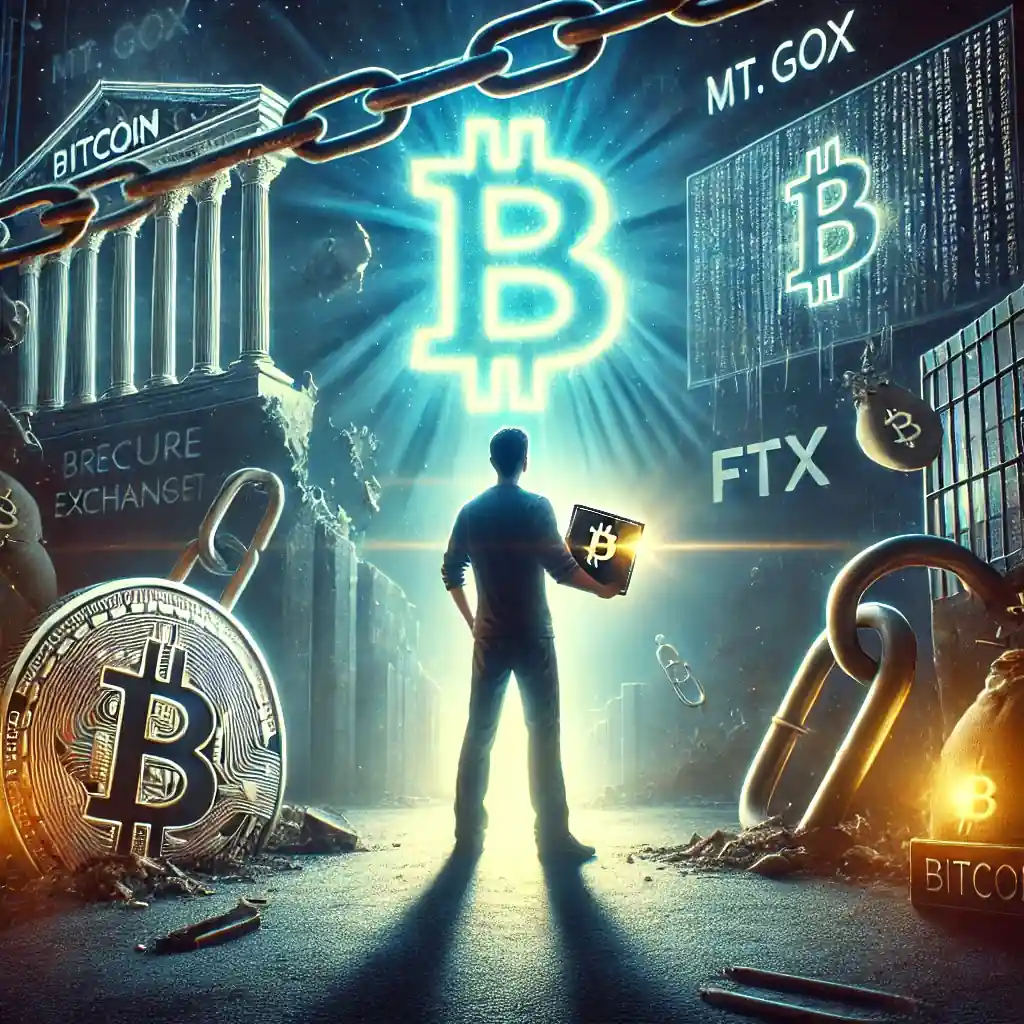
“There’s no FDIC insurance in Bitcoin,” Herbert said. If a platform fails, users could wait years for recovery—if anything is recovered at all. He cited Mt. Gox, the infamous Bitcoin exchange that collapsed in 2013. Many customers are still waiting to recover lost funds, over ten years later.
Bitcoin Theft Means Permanent Loss Without Recovery Options
“If someone steals Bitcoin, it’s gone,” Herbert explained. Unlike banks, there are no chargebacks or reversals. There’s no authority to freeze stolen funds. This makes Bitcoin theft final and painful for victims.
Why Exchange Storage May Be Riskier Than You Think
Most users start their Bitcoin journey through exchanges. But exchange failure is not rare. In 2022, the collapse of FTX shocked the industry and cost users billions. If a platform is hacked or mismanaged, customer Bitcoin may simply vanish.
Self-Custody Protects Your Bitcoin Investment Long Term
Herbert argues that self-custody is the future of Bitcoin storage. When users control their own wallets, they eliminate the risk of third-party failure. “It helps all Bitcoin investors,” he said. “You don’t want too much supply concentrated in one place.”
Foundation Devices Makes Bitcoin Self-Custody Accessible
Launched in 2020, Foundation Devices offers user-friendly Bitcoin self-custody solutions. Their hardware wallet, the Passport, is open-source and secure. It’s designed to empower users to take full control of their Bitcoin without relying on institutions.
The Push for Decentralized Bitcoin Ownership Is Growing
Herbert’s vision is shared by a growing segment of Bitcoin advocates. They see decentralized ownership as essential to Bitcoin’s long-term value. “We need to lower the barriers to self-custody,” he said. That way, more Bitcoin holders will be protected against risks like hacks or fraud.
Education and Tools Are Key to Bitcoin Security Adoption
To promote self-custody, Herbert believes education and better tools are critical. New Bitcoin users need clear steps and confidence to move off exchanges. “It’s not just about hardware,” he noted. “It’s about trust, usability, and empowering users.”
Final Thoughts: Bitcoin’s Future Depends on User Control
As Bitcoin’s adoption grows, so will the risks—and the need for self-custody. The lesson from Mt. Gox, FTX, and others is clear: if you don’t control your Bitcoin, you don’t truly own it. Taking control is the only way to ensure safety and long-term peace of mind.